Tracing Promotional Credit Flows Across Diverse Digital Slot Formats
Yara Coleman · Oct 8, 2026

Tracing Promotional Credit Flows Across Diverse Digital Slot Formats
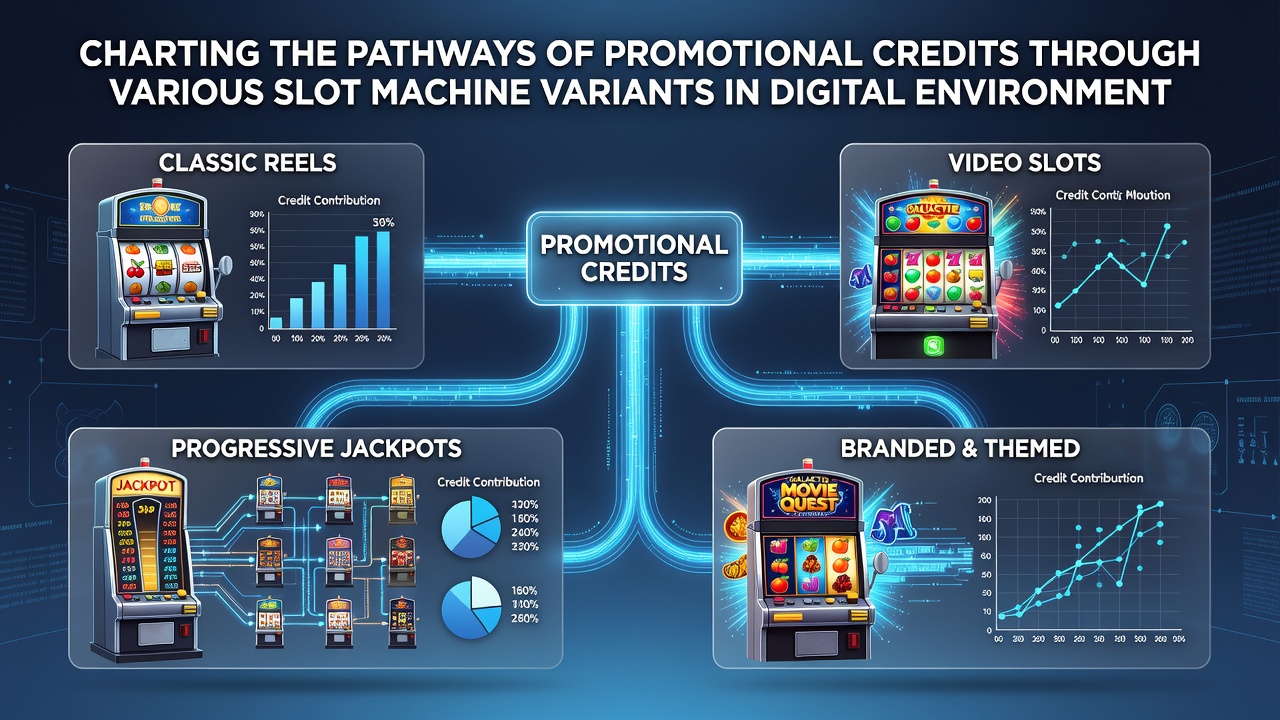
Digital slot environments handle promotional credits through structured allocation systems that differ based on game mechanics and provider configurations. Observers note that these credits often originate from welcome packages, reload offers, or loyalty programs before entering specific slot variants where their usage follows distinct rules tied to reel structures and payout calculations. Researchers have documented how classic three-reel slots process credits with straightforward wagering multipliers compared to more layered video slot formats that incorporate multiple paylines and bonus rounds.
Allocation Mechanisms in Classic and Video Slot Variants
Classic slot variants typically route promotional credits into fixed denomination reels where each spin deducts from the credit balance at a consistent rate, and data from industry reports shows conversion rates stabilize around 95 percent when minimum bet thresholds apply. Video slots introduce additional layers because their expanded reel grids allow credits to trigger scattered symbols or free spin sequences that multiply the initial promotional value. Experts observe that these sequences often reset wagering progress only after the free spins conclude, which creates extended pathways before credits reach withdrawable status.
Those who track player accounts across platforms report that video slot credits frequently encounter higher volatility in their journey since bonus features can either accelerate or delay the fulfillment of playthrough conditions depending on hit frequency. Figures from regulatory filings indicate that operators adjust credit allocation percentages in October 2026 to align with updated compliance standards in several North American jurisdictions.
Progressive Jackpot Slots and Credit Accumulation Patterns
Progressive jackpot slots direct promotional credits toward pooled prize meters that grow with each qualifying spin, yet the credits themselves remain subject to separate contribution caps that prevent full jackpot eligibility in many cases. Studies from academic research groups reveal that these caps vary by jurisdiction, with some systems capping promotional contributions at 10 percent of the total meter increment. Players encounter pathways where accumulated credits feed into both the progressive pool and the standard payout structure simultaneously, which adds tracking complexity for operators.
One documented case involved a major provider that recalibrated its progressive engines in early 2026 to separate promotional credit flows from real-money contributions, resulting in clearer audit trails for regulatory bodies. Data shows this separation reduced disputes over jackpot qualification by measurable margins in participating casinos.
Cluster Pay and Megacluster Formats
Cluster pay slots process promotional credits through symbol grouping mechanics rather than traditional paylines, which means credits activate when adjacent symbols reach threshold counts. Research indicates these mechanics alter the speed at which wagering requirements complete because clusters can form multiple winning combinations per spin. Operators configure credit pathways here to account for chain reactions that extend play sessions without additional deposits.
According to Nevada Gaming Control Board filings, cluster formats accounted for increased promotional volume in 2026 compared to previous years, with credit conversion metrics showing steady performance across mobile and desktop environments. Observers note that these variants often apply tiered multipliers to promotional balances once clusters exceed base sizes, extending the effective value before withdrawal becomes possible.
Cross-Variant Tracking and Regulatory Oversight
Digital platforms maintain unified ledgers that follow promotional credits as they migrate between slot variants during a single session. This tracking ensures compliance with playthrough rules that differ by game type, such as stricter contribution percentages in high-volatility titles versus more lenient ones in low-volatility options. Reports compiled by Australian gambling research centers highlight how real-time monitoring tools flag anomalies in credit movement patterns that could indicate system errors or player behavior shifts.
As of October 2026, several markets implemented enhanced reporting protocols that require operators to log credit pathways at the variant level rather than aggregate totals. This granular approach helps authorities verify that promotional offers remain balanced across game categories without favoring any single mechanic.
Conclusion
Promotional credit pathways in digital slot environments reflect the underlying architecture of each variant, from simple reel deductions in classics to complex cluster formations and progressive contributions. Regulatory updates and provider adjustments continue to refine these flows, while data collection efforts provide clearer visibility into how credits move toward cashable outcomes across formats. Those monitoring the sector note ongoing evolution in allocation rules that adapt to both technological capabilities and oversight requirements.